 English (UK)
 Ελληνικά
- Λεπτομέρειες
- Συντάκτης: Irma
- Κατηγορία: Volunteer Blog
The main goal of our work at Drasi is to take care of wild animals until they are ready to be released.
Every animal (mostly birds) need its own spot, that’s why it is important to know where they were found in order that they can get their freedom back where they used to live.
When it is possible, we have some events to release some birds, in order to show people our work and explain them the bird history and a bit about their breed.
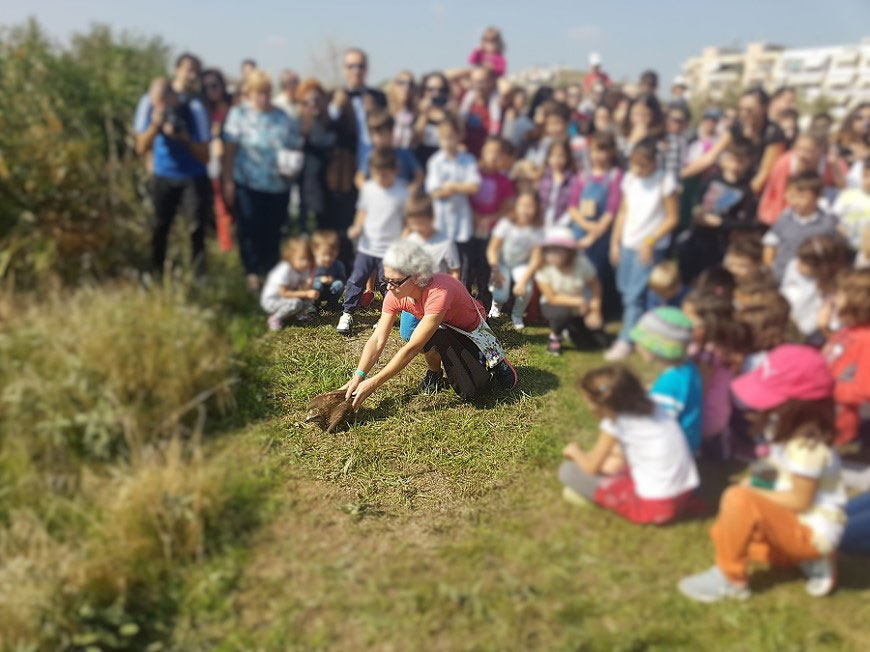
The technique to let them free is usually the same with all of them (birds).
First, they all need to have their own ring, with their own number (every number is different all around the world). Then, there is a variance between the little birds and the big ones:
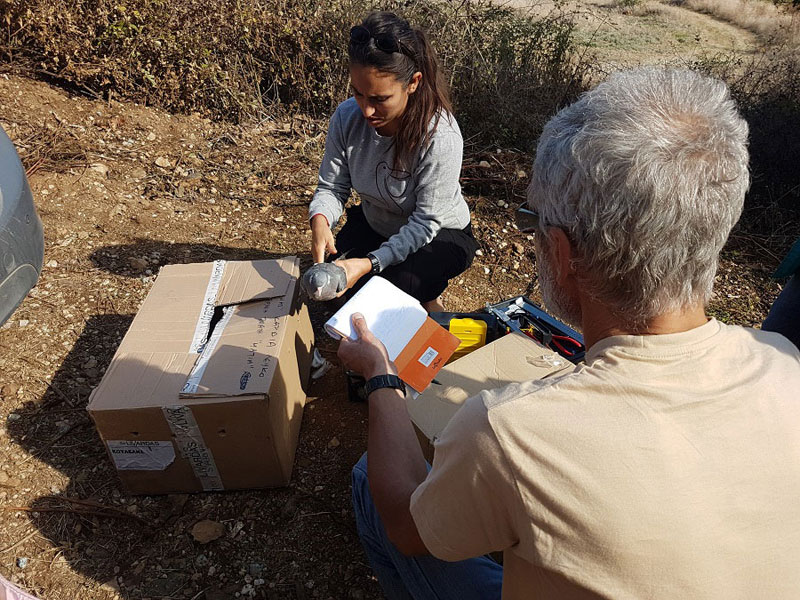
- The little ones need to be hold up (open hand) and at some point they decide to leave. Some of them need their time.
- Some other a bit bigger (depend on the specie, like pigeons) need the impulse to start flying
- The big ones, however, need to be left on the floor, with no obstacles in front (including people) so they can run a bit when they want to take off. For them this process is too stressful due to they are not use to people, neither to be in cages which is needed to take them to the correct place. Furthermore the noise affects them, so when they are released during a festival, everybody need remain silent until the bird leaves.
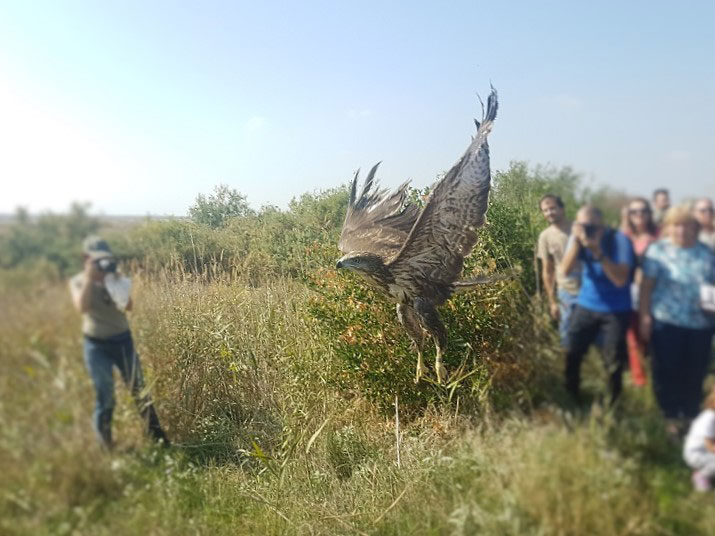
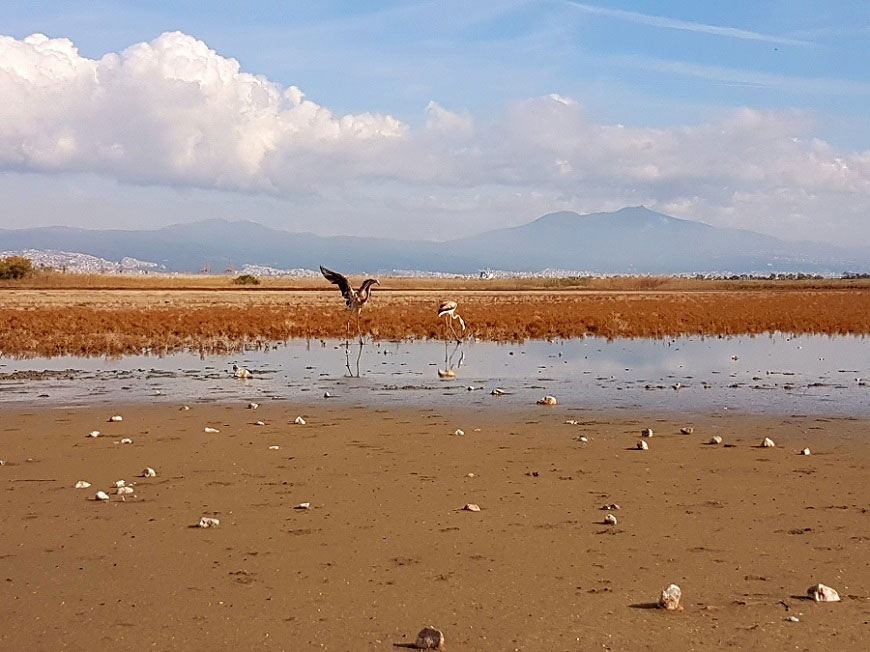
It has to be consider if they are daytime or nocturnal. Obviously owls need to wait until it gets dark
We had some turtles released too, for them it is necessary to go a place where they can find water, and leave them on the ground, a bit hide.
I’m glad I had the chance to live this beautiful moments
- Λεπτομέρειες
- Συντάκτης: Esther Abelian
- Κατηγορία: Volunteer Blog
During the last few months of my project I spent the majority of my time caring for the our army of (once peaking at 90) juvenile and adult swifts, with the number mostly made up of juveniles. The very basic daily care involved feeding each swift at usually at least 4 times a day. For adult Common and Pallid Swifts this would consist of 40 mealworms, and for Alpine Swifts it was likely over 100. The boxes in which they are kept would also have to be changed at least once a day, and each swift needed to be weighed every 2 days. These tasks would of course become more difficult than you would otherwise anticipate because the juvenile swifts once they had grown strong enough, and had energy to spare, would spend it on trying to and were not that infrequently successful in escaping their boxes. Consequently, a lot of time and energy would be wasted in finding then returning the missing swifts to their correct boxes by matching them to their individual identification paper and coloured tag.
The responsibilities of this care increase when considering other tasks that quickly became part of the routine:
- adding daily supplements such as a calcium/phosphate powder to the mealworms, active microorganism to the water
- administering any specified medication that had been prescribed by a vet and was written on the bird's identification paper
- monitoring of physical and neurological behaviour of the birds, and then raising any concerns with a vet, or, acting upon them if for example the bird was cold it can be placed in the warm room (if it is in its own separate box)
-regular cleaning of work space and gloves (or changing) in order to minimise spread of infection or causing it by damaging and dirtying feathers and eyes.
Although at times this extremely demanding work de to its monotony and long working hours, caring for these birds became a very fulfilling responsibility as over time they became more than just a task, but creatures to which I had formed an emotional attachment.

- Λεπτομέρειες
- Συντάκτης: Esther Abelian
- Κατηγορία: Volunteer Blog
At the very end of my trip I stopped over in Athens for two wonderfully chaotic, hot and sweaty days. By staying in the central area of Omonia I was within easy reach of the Acropolis, National Gardens, Syntagma Square, the neighbourhood of Plaka, the flea market at Monasteraki, some of the best falafel and gelato I've had in a while, and a overall though hectic, friendly crowd of both locals and tourists. One of my best memories of my time there was walking to the top of Lycebettus Hill to watch the sunset over the city and the Aegean Sea - it was utterly stunning. I could not have wished for a more perfect ending to the adventure of a lifetime.


- Λεπτομέρειες
- Συντάκτης: Esther Abelian
- Κατηγορία: Volunteer Blog

Greece isn’t all sunny beaches and island life, as I learnt when I visited the city of Ioannina, visiting its beautiful lake (and the tiny island of jewellery makers the sits in its centre), and the nearby villages of Zagoria, such as Kipi which is pictured here. We explored the old bridges that connected the village to the further mountain paths, which though abandoned now, would have been central to life there before the accessibility of cars and buses.
- Λεπτομέρειες
- Συντάκτης: Esther Abelian
- Κατηγορία: Volunteer Blog
At the end of my project I decided to see more of Greece outside of Thessaloniki and experience more of its varied and diverse culture. This of course meant that I had to visit at least one of its iconic islands.
The first, was the rather innocuous island of Hydra. A convenient 1.5 hr trip from the port of Piraeus, Athens, Hydra revealed itself to be a surprising gem. Despite being littered with tourists, once you step off of the main promenade a sudden hush falls over the streets, to reveal quiet little bakeries and tavernas, where locals enjoy their morning coffee for the full length of the afternoon before crossing the street to order their eveni


Next was the island of Ikaria, famous for its blue spot award – an area recognised by the longevity of life of its residents. We were eager to experience such a lifestyle.
